Selecting the right fiber laser cutting machine requires careful evaluation of your production requirements, material specifications, and long-term operational goals. This guide provides the technical criteria and business considerations you need to make an informed equipment purchase in 2026.
Understanding Fiber Laser Technology
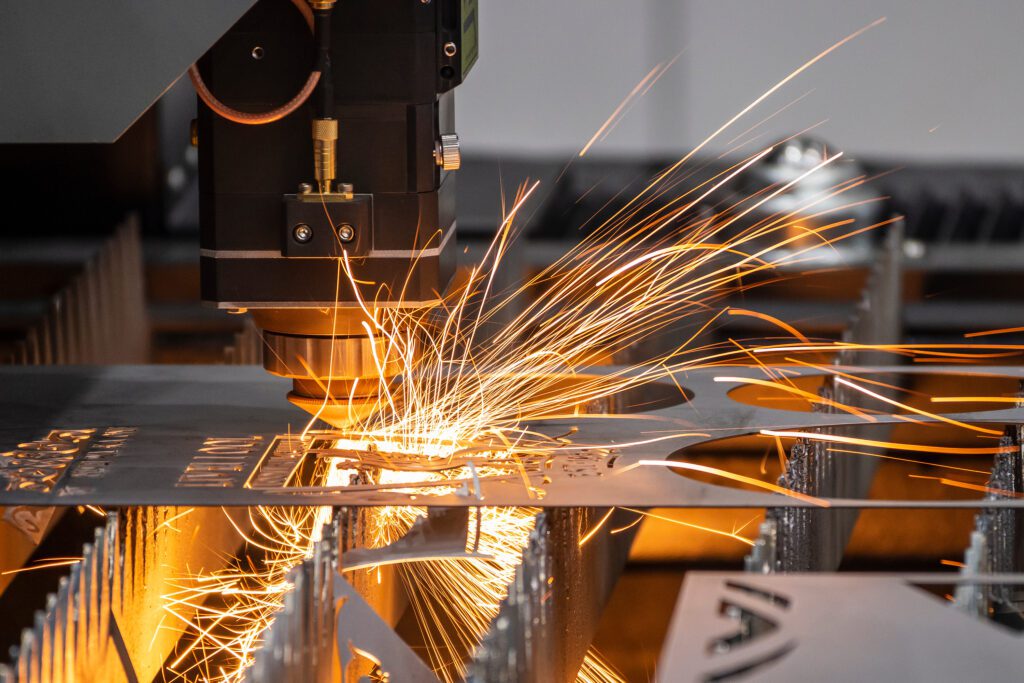
Fiber laser cutting machines use solid-state laser sources that generate light through optical fibers doped with rare earth elements. This technology delivers superior beam quality, energy efficiency, and maintenance advantages compared to CO2 laser systems.
The key advantage of fiber lasers lies in their wavelength characteristics. Operating at approximately 1.06 micrometers, fiber lasers achieve excellent absorption rates in metals, particularly steel, stainless steel, and aluminum. This results in faster cutting speeds and cleaner edge quality.
Modern fiber laser systems integrate advanced control software that optimizes cutting parameters automatically. These systems adjust power, speed, and gas pressure based on material type and thickness, reducing operator skill requirements while maintaining consistent quality.
Key Technical Specifications
Power Requirements
Laser power directly impacts your cutting capabilities and production throughput. Here's how different power levels affect performance:
1–3kW Systems: Suitable for thin materials up to 6mm steel and 4mm stainless steel. Ideal for electronics, furniture, and light fabrication applications.
4–6kW Systems: Handle medium-thickness materials up to 12mm steel and 8mm stainless steel. Common in automotive parts manufacturing and general fabrication.
8–12kW Systems: Cut thick materials up to 25mm steel and 20mm stainless steel. Required for heavy construction, shipbuilding, and industrial equipment manufacturing.
15kW+ Systems: Process extra-thick materials beyond 30mm. Specialized applications in heavy industry and structural fabrication.
Consider your current and projected material thickness requirements when selecting power levels. Higher power systems offer faster cutting speeds on all materials, not just thicker sections.
Precision Standards
Cutting precision affects part quality, secondary operations, and overall production efficiency. Look for these precision specifications:
Repeat Accuracy: ±0.01mm represents industrial-grade precision suitable for aerospace, medical devices, and precision manufacturing. This specification indicates the machine's ability to return to the same position consistently.
ISO 9013 Grade Standards: Grade 1 represents the highest precision level for thermal cutting processes. Machines meeting this standard produce parts requiring minimal secondary processing.
Edge Quality: Measured by surface roughness (Ra) and perpendicularity tolerance. Better edge quality reduces deburring and finishing operations.
Precision requirements vary by industry. Electronics manufacturing demands tighter tolerances than general construction applications.
Cutting Speed and Efficiency
Cutting speed determines your production capacity and operational costs. Speed varies significantly based on material type, thickness, and quality requirements.
Modern fiber laser systems achieve cutting speeds of 15–30 meters per minute on thin materials (1–3mm steel) while maintaining high edge quality. Thicker materials require proportionally slower speeds to ensure complete penetration and quality.
Rapid positioning speeds between cuts also impact overall productivity. Look for systems with traverse speeds exceeding 100 meters per minute to minimize non-productive time.
Machine Configuration Options
Open vs. Enclosed Systems
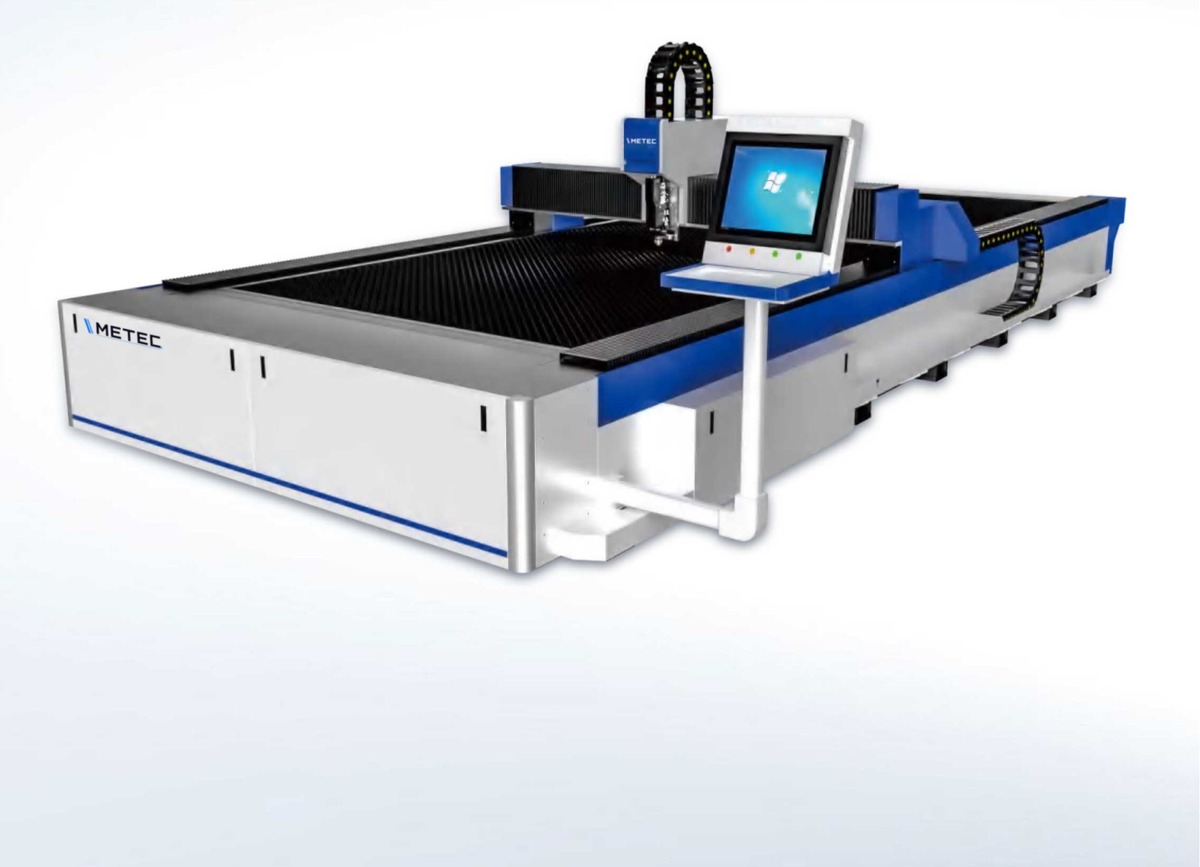
Open Systems provide maximum flexibility for loading large sheets and handling oversized parts. They offer easier maintenance access and lower initial costs. However, they require additional safety measures and may have higher noise levels.
Enclosed Systems provide better safety protection, noise reduction, and environmental control. They include integrated fume extraction and safety interlocks. The enclosed design also enables better process monitoring and quality control.
Choose based on your facility requirements, safety regulations, and part size specifications.
Single vs. Double Table Setup
Single Table Systems offer lower initial investment and simpler operation. They're suitable for job shops and lower-volume production where setup time isn't critical.
Double Table Systems enable continuous operation by allowing part loading on one table while cutting on the other. This configuration can double productivity in high-volume applications.
The productivity advantage of double tables justifies the additional investment when your production volume exceeds 6–8 hours of daily cutting time.
Ground Rail Configurations
Ground rail systems accommodate extra-long materials beyond standard table dimensions. They're essential for structural fabrication, architectural metalwork, and industries processing lengthy profiles.
Consider ground rail options if you regularly process materials longer than 6 meters or anticipate future requirements for extended cutting capabilities.
Material Compatibility Assessment
Evaluate your material requirements across these categories:
Carbon Steel: Fiber lasers excel at cutting carbon steel with excellent speed and edge quality. Consider nitrogen assist gas for oxide-free edges in critical applications.
Stainless Steel: Requires careful parameter optimization to prevent heat-affected zone issues. Nitrogen cutting produces superior edge quality for food service and medical applications.
Aluminum: Challenging material requiring specific techniques. Ensure your selected machine includes aluminum-optimized cutting parameters and appropriate assist gas systems.
Exotic Alloys: Titanium, Inconel, and other specialty materials require advanced parameter libraries and may need specific assist gas configurations.
Review the manufacturer's material capability charts and request sample cuts for your specific materials and thicknesses.
Production Volume Considerations
Match machine capabilities to your production requirements:
Low Volume (Under 20 hours/week): Single table systems with moderate power levels provide cost-effective solutions.
Medium Volume (20–40 hours/week): Double table systems or higher power single tables optimize productivity.
High Volume (40+ hours/week): Double table systems with automation integration maximize throughput and minimize labor costs.
Consider future growth when sizing equipment. Undersized machines create bottlenecks that are expensive to resolve later.
Quality Certifications and Standards
Verify that potential suppliers maintain relevant quality certifications:
ISO 9001:2015: Ensures consistent manufacturing processes and quality management systems.
CE Compliance: Required for European markets and indicates adherence to safety and performance standards.
Third-Party Verification: SGS or similar certification bodies provide independent quality validation.
These certifications reduce risk and ensure equipment meets international standards for safety and performance.
Support and Service Infrastructure
Evaluate the manufacturer's support capabilities:
Technical Support: 24/7 multilingual support reduces downtime and ensures rapid problem resolution.
Training Programs: Comprehensive operator and maintenance training maximizes equipment utilization and extends machine life.
Spare Parts Availability: Local inventory and rapid shipping ensure minimal production interruptions.
Installation Services: Professional installation and commissioning prevent startup issues and ensure optimal performance.
Strong support infrastructure becomes particularly important for international equipment purchases where language and time zone differences can complicate service delivery.
Total Cost of Ownership
Consider all costs beyond the initial purchase price:
Operating Costs: Electricity consumption, assist gases, and consumable parts represent ongoing expenses.
Maintenance Costs: Scheduled maintenance, replacement parts, and service calls accumulate over the machine's life.
Training Costs: Operator training and ongoing skill development ensure optimal utilization.
Facility Costs: Electrical installation, compressed air systems, and fume extraction infrastructure.
Calculate payback periods based on labor savings, material utilization improvements, and increased production capacity.
Vendor Selection Criteria
Evaluate potential suppliers across these dimensions:
Manufacturing Experience: Look for established manufacturers with documented track records. Companies with 10+ years of experience and 1,000+ installed machines demonstrate proven capabilities.
Global Reach: Suppliers serving 50+ countries typically have developed robust support infrastructure and proven export capabilities.
Technical Expertise: In-house R&D teams and engineering support indicate ongoing product development and technical problem-solving capabilities.
Customer References: Request references from similar industries and applications to verify performance claims.
For companies considering Chinese-manufactured equipment, focus on suppliers with strong international support networks and proven after-sales service capabilities.
Implementation Planning
Successful installation requires careful planning:
Site Preparation: Ensure adequate electrical power, compressed air capacity, and facility ventilation before delivery.
Staff Training: Schedule comprehensive training for operators and maintenance personnel during installation.
Process Development: Develop cutting parameters and procedures for your specific materials and applications.
Quality Procedures: Establish inspection protocols and quality control measures for consistent output.
Maintenance Planning: Implement preventive maintenance schedules and spare parts inventory management.
Plan for 4–6 weeks from delivery to full production capability, including installation, training, and process optimization.
Metec's proven track record of 1,640+ machines delivered across 50+ countries provides comprehensive implementation support including installation, training, and ongoing technical assistance. Our [ISO 9001:2015 certified](/about) fiber laser cutting machines achieve ±0.01mm precision meeting ISO 9013 Grade 1 standards — the industrial-grade quality required for demanding applications.
FAQs
What power level do I need for my applications?
Power requirements depend on your maximum material thickness and desired cutting speeds. For materials up to 12mm steel, 4–6kW systems provide good performance. Thicker materials or high-volume production may require 8kW or higher power levels.
How important is repeat accuracy for my applications?
±0.01mm repeat accuracy is essential for precision applications in aerospace, medical devices, and electronics. General fabrication applications may accept ±0.03mm accuracy, but tighter tolerances reduce secondary operations and improve part quality.
Should I choose an open or enclosed system?
Enclosed systems provide better safety, noise control, and environmental protection. Open systems offer more flexibility for large parts and easier maintenance access. Consider your facility requirements and safety regulations when deciding.
What certifications should I look for in a supplier?
ISO 9001:2015 certification ensures quality management systems. CE compliance is required for European markets. Third-party verification from organizations like SGS provides independent quality validation.
How do I evaluate total cost of ownership?
Include initial purchase price, installation costs, training expenses, ongoing maintenance, consumables, and utility costs. Calculate payback based on labor savings, material utilization improvements, and increased production capacity.
What support should I expect from the manufacturer?
Look for 24/7 technical support, comprehensive training programs, local spare parts availability, and professional installation services. Strong support infrastructure is particularly important for international equipment purchases.
How long does implementation typically take?
Plan for 4–6 weeks from delivery to full production capability. This includes site preparation, equipment installation, operator training, process development, and quality procedure establishment. Proper planning reduces startup time and ensures optimal performance.
Making Your Decision
Selecting a fiber laser cutting machine requires balancing technical capabilities, cost considerations, and support requirements. Focus on suppliers with proven track records, appropriate certifications, and strong support infrastructure.
Document your requirements clearly, request detailed proposals from qualified suppliers, and verify performance claims through customer references and sample cuts. Consider long-term growth plans and ensure your selected equipment can accommodate future requirements.
The investment in a quality fiber laser cutting system pays dividends through improved productivity, better part quality, and reduced operating costs. Take time to evaluate options thoroughly and choose a supplier committed to your long-term success.
[Explore Metec fiber laser cutting machines](/products/sheet-metal-laser) and request a customized quote for your specific requirements.
Metec Engineering Team
Application EngineeringMetec's Application Engineering Team consists of senior engineers with hands-on experience commissioning and optimizing fiber laser cutting machines and CNC press brakes across 50+ countries. Our engineers hold degrees in mechanical engineering and have field experience with thousands of machine installations.